

When OCD Doesn’t Fit Inside a Box
By: ERP Kaleidoscope and BEAM
What is Obsessive-Compulsive Disorder (OCD)
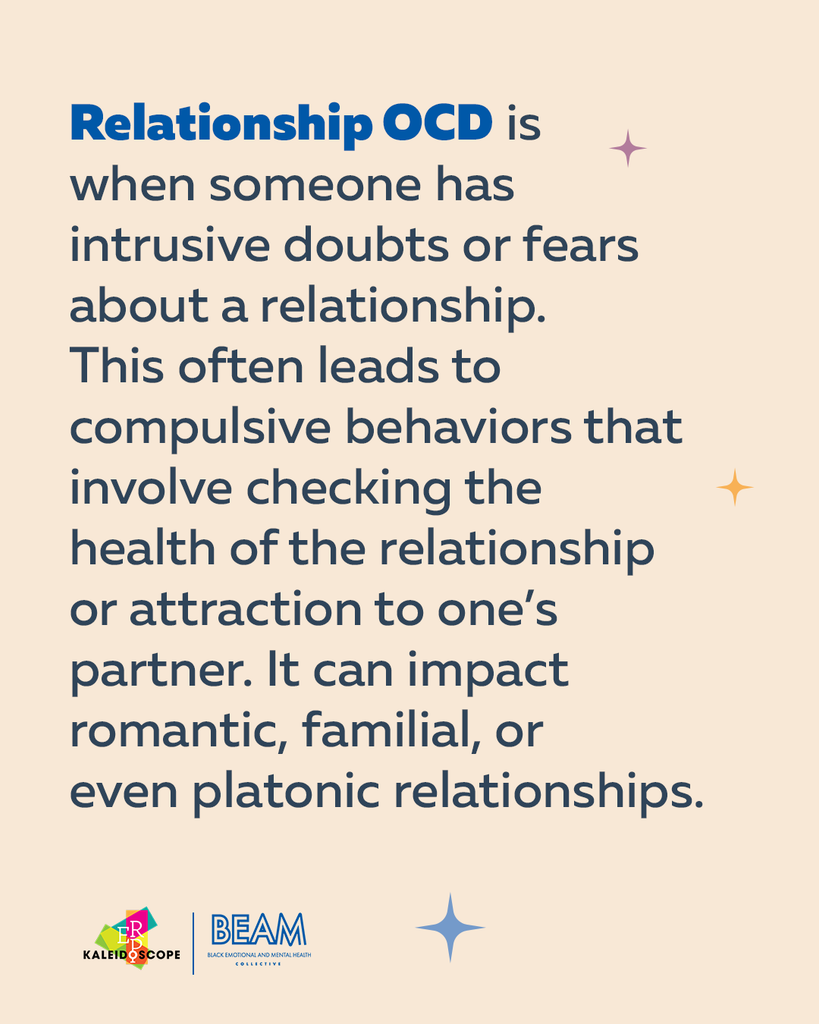
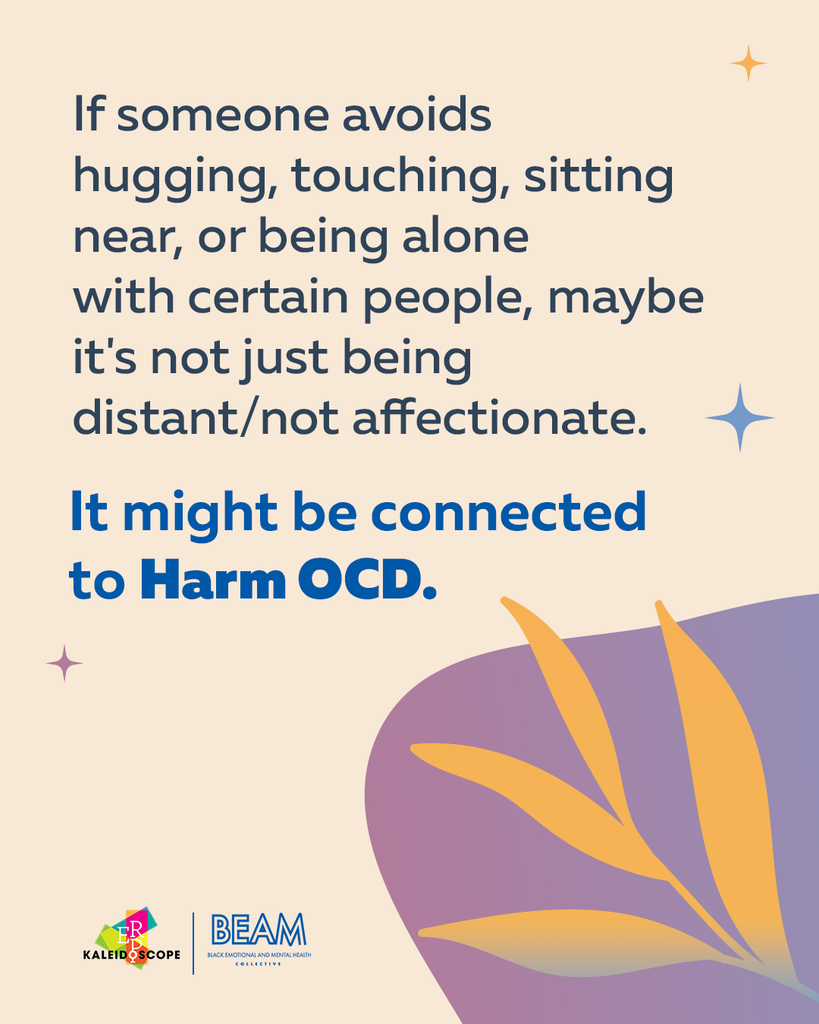
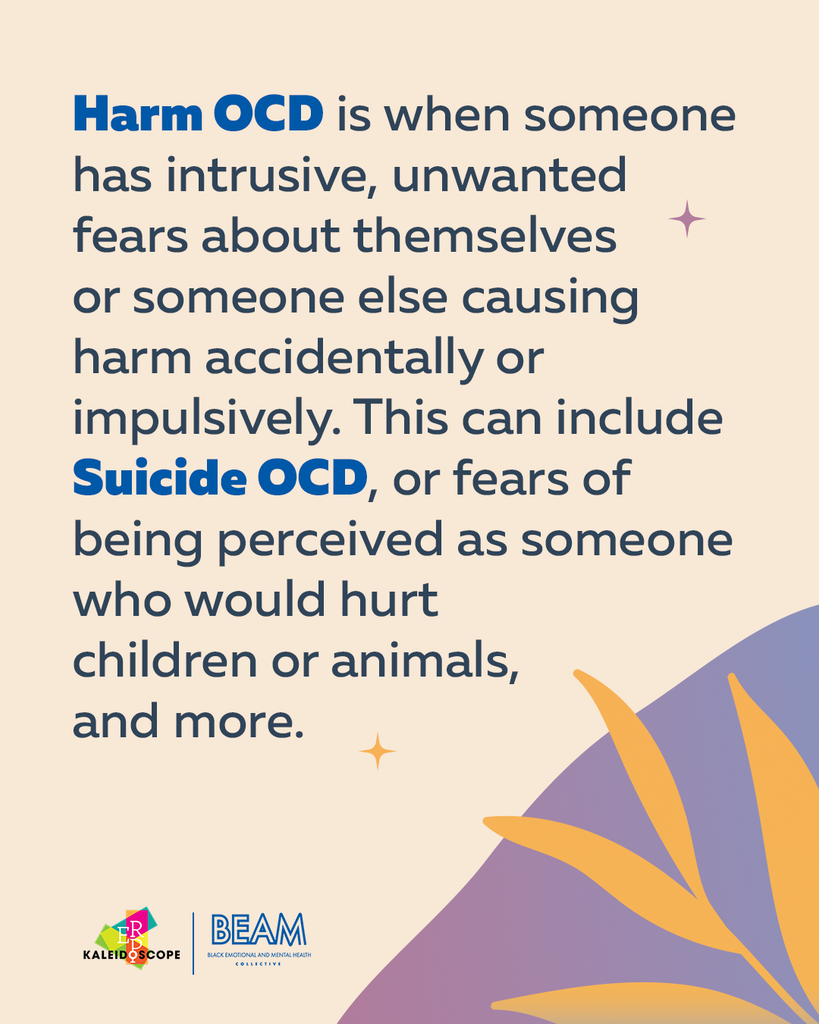
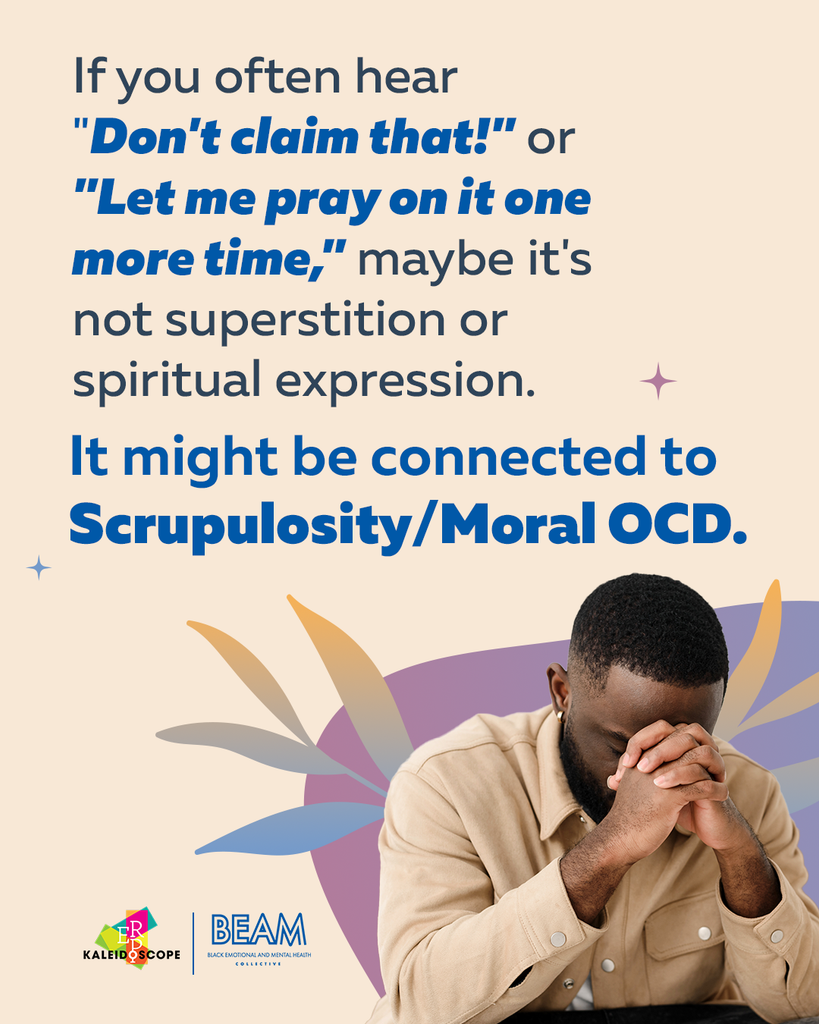
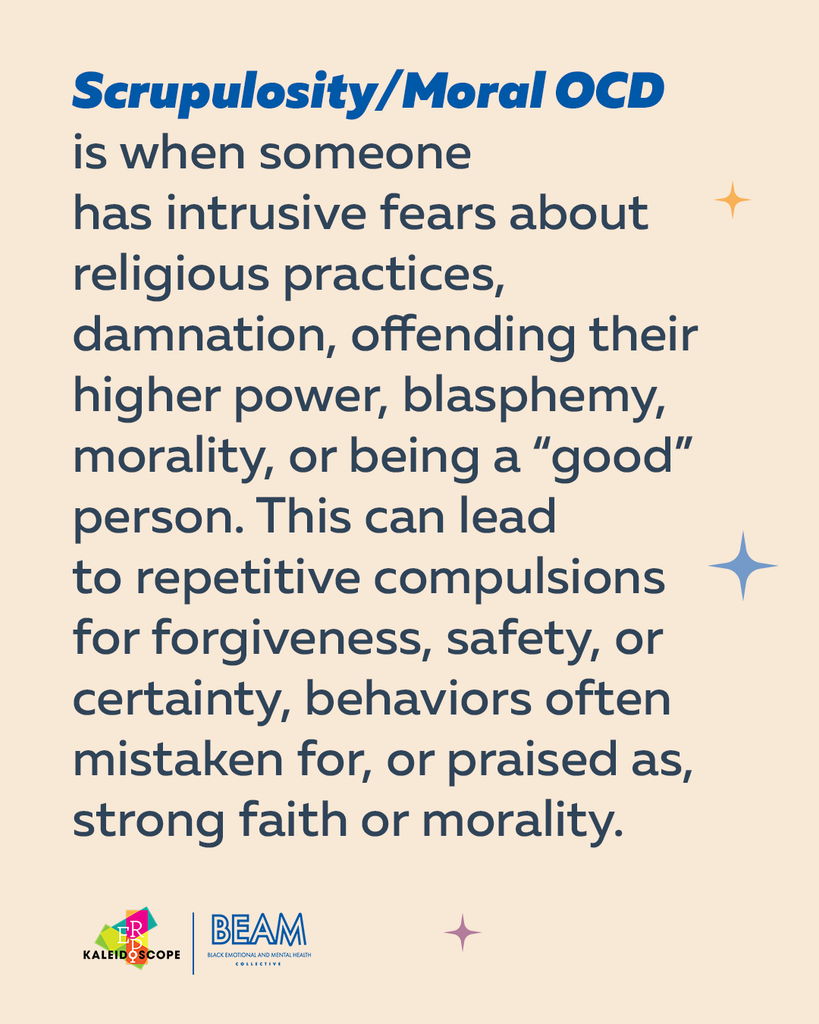
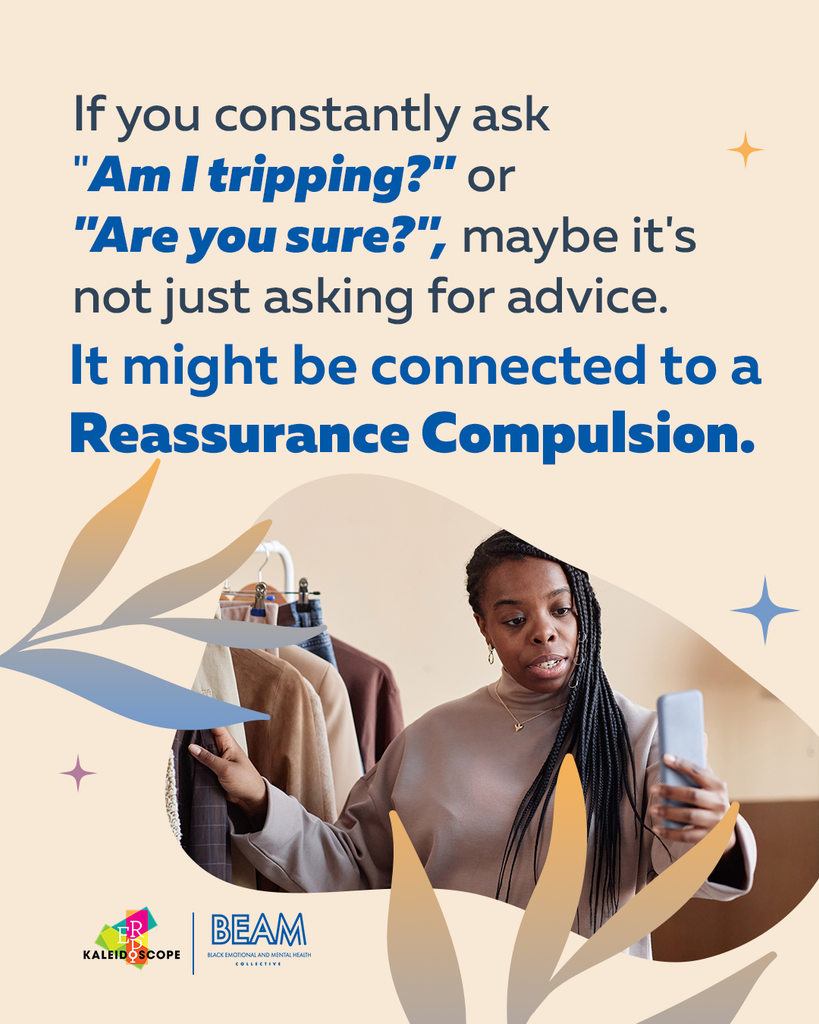
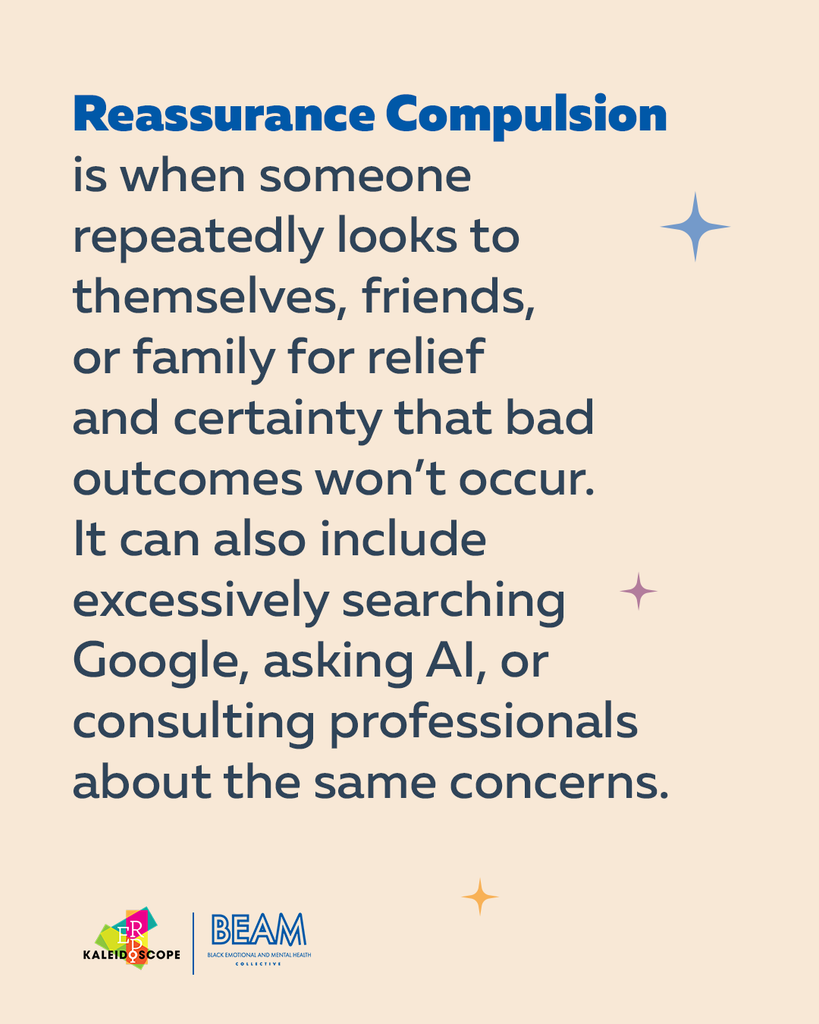
Oftentimes, as people of color, we are placed inside a box and stereotyped. This is a shared experience for those living with Obsessive-Compulsive Disorder (OCD). Black and Brown individuals also struggling with OCD may unfortunately have two proverbial boxes to overcome. In Black and Brown communities, sometimes OCD can hide in plain sight—behind cultural norms, family habits, faith practices, or “just little quirks.” But OCD can affect anyone, and it can show up in many different ways. Across OCD themes, intrusive thoughts, images, or urges are ego-dystonic—unwanted and inconsistent with a person’s values or desires. Compulsive behaviors may include attempts to avoid being perceived as aligned with intrusive thoughts. These behaviors may bring temporary relief in service of preventing a feared outcome or reducing uncertainty; however, the relief is temporary and worsens the disorder. Looking for BIPOC-centered OCD education, support groups, advocacy, and community? To learn more about our community partner, BEAM, and explore additional uplifting wellness tools designed to support and empower Black individuals click here!
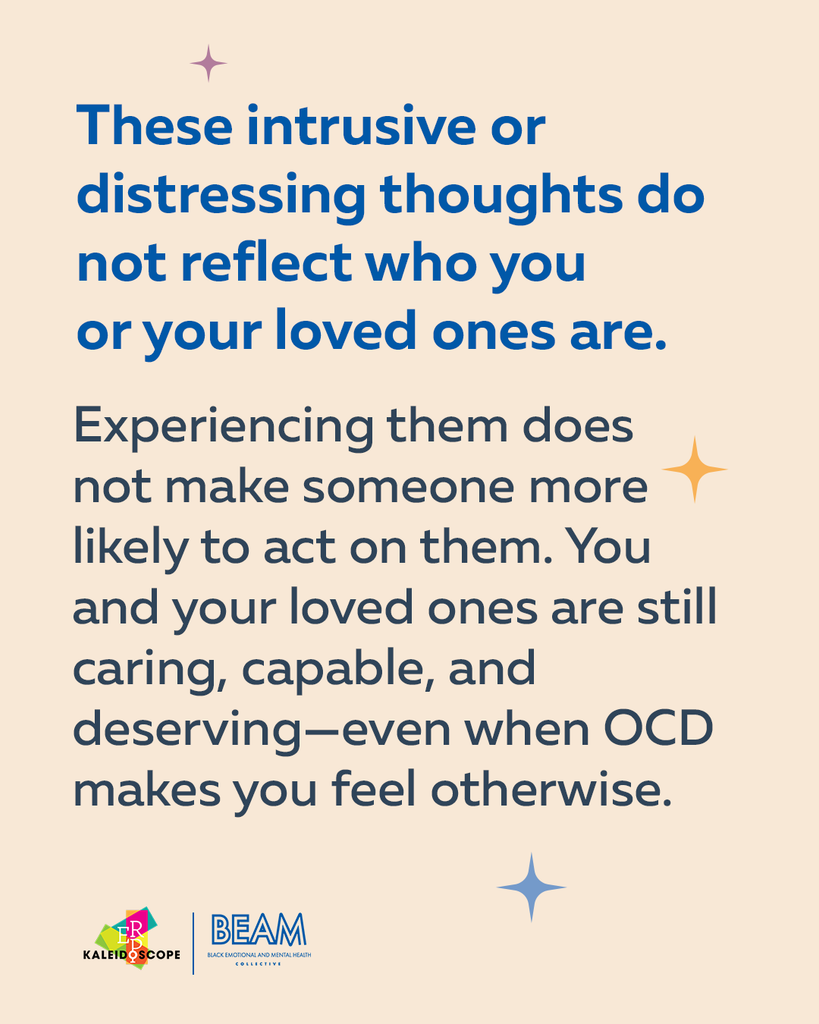
Please remember that any of the aforementioned intrusive or distressing thoughts are not a reflection of who you or your loved one are. Having these thoughts does not make someone more likely to act on them. YOU and YOUR LOVED ONES are still the same caring, capable, and deserving people you have always been—even when OCD makes those thoughts feel frightening or convincing.